The Real ROI of Parcel Sorting Automation for E-Commerce Brands

Quick Answer: Automated parcel sorting delivers a return on investment of over 250% in well-integrated deployments, with payback periods of 8–24 months depending on daily volume. The cost per parcel drops from £0.18–£0.24 with manual sorting to £0.08 or below at scale — a saving of 50–65% per parcel processed, driven by throughput gains of up to 6x, 99.9% sorting accuracy, and the elimination of SLA penalties and rework costs that manual operations rarely account for.
Every conversation about warehouse automation eventually arrives at the same question: what is the return, and how quickly does it come?
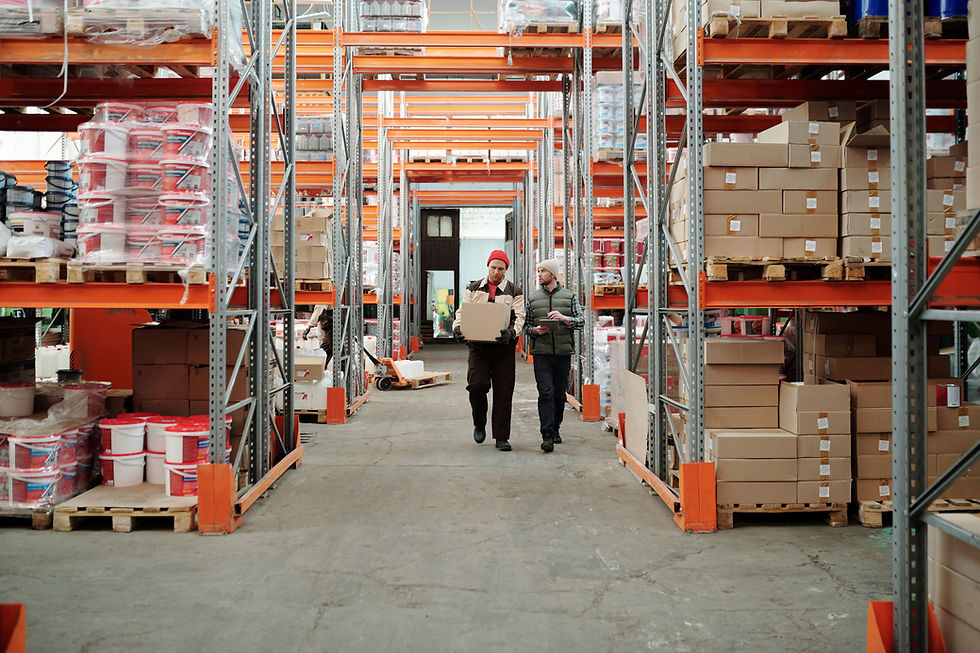
For parcel sorting, the answer is more compelling than most operations realise — but only if you are calculating it correctly. The error most internal business cases make is measuring the cost of automation against direct labour alone. The real comparison includes what manual sorting actually costs when you account for everything: errors, rework, missed SLAs, management overhead, and the compounding inefficiency of a process that does not scale cleanly.
This guide builds the honest ROI model — the one that holds up in a board presentation and in an operational review.
What Does Manual Parcel Sorting Actually Cost?
The direct cost of manual sorting labour is visible and auditable. The hidden costs are not — but they are real, and they are significant.
Manual sorting costs £0.18–£0.24 per parcel fully loaded. Most operations calculate this incorrectly by counting only direct wages, which understates the true cost by 40–60%.
What makes up that gap?
Sorting errors and rework

Manual sorting accuracy typically sits in the 94–96% range under normal conditions. At 10,000 parcels per day, that is up to 600 errors daily. Each one requires investigation, reprocessing, and in some cases, carrier compensation or customer remediation. The labour cost of rework rarely appears on the sorting budget line — it disappears into general ops overhead.
Missed SLAs
Manual sorting throughput is a ceiling function: it is capped by headcount and physical stamina. When volume spikes — a flash sale, a carrier delay causing an inbound backlog — manual operations miss cut-off times. SLA failures generate penalties from retail clients and damage relationships that take months to rebuild.
Management overhead

High-volume manual sorting operations require intensive supervision. Shift planning, performance monitoring, quality checking — all of this represents real management cost that does not factor into a simple wage-per-head calculation.
Labour instability
Turnover in manual warehouse roles is high. Recruitment, onboarding, and the temporary productivity dip while new operators reach speed are costs that recur continuously. Labour accounts for 50–70% of total warehousing budgets, and wages in UK logistics climbed 7–9% year-on-year through 2024. The trend is consistent — manual labour gets more expensive every year.
What Are the Key ROI Drivers for Parcel Sorting Automation?
When building the case for parcel sorting automation, four metrics drive the majority of the ROI story.
1. Throughput Speed
Manual sorting runs at 3,000–3,500 parcels per hour per operator. Automated parcel sorting systems achieve up to 21,000 parcels per hour with two operators — six times faster.

At scale, this difference is structural, not linear. Automated systems do not slow down during the last hour of a shift. They do not take breaks. They do not call in sick on peak trading days. The throughput you specify is the throughput you get, consistently, across every shift.
2. Sorting Accuracy
Manual sorting accuracy sits at 94–96%. Automated Sorting systems achieve 99.9% accuracy.
The compound value of that improvement is significant. Fewer mis-sorts mean fewer downstream exceptions, fewer customer complaints, and lower reverse logistics costs. For operations with retail SLA clauses tied to accuracy metrics, this directly protects contract value.
3. Labour Redeployment
Parcel sorting automation does not eliminate your workforce — it redirects it. Workers move from repetitive transport and sorting to higher-value kitting, quality control, maintenance, and operations coordination.

This redeployment argument is often the most persuasive element of an internal business case. You are not proposing redundancies — you are proposing to use your existing team more intelligently, on work that adds more value and is less prone to error.
4. Cost Per Parcel
This is the metric your finance team wants. At £0.08 per parcel, automated sorting is more cost-effective than manual at virtually any volume above 1,000–1,500 parcels per day. Even on a capital purchase or rental model, the break-even point is reached quickly at volumes that most serious e-commerce fulfilment operations already exceed.
How Quickly Does Parcel Sorting Automation Pay Back?
How Do You Build an Internal Business Case for Sorting Automation?
What Do Real-World Automated Sorting Deployments Deliver?
At one automated distribution centre, a coordinated deployment of AMRs and robotic sorters tackled manual bottlenecks, worker fatigue, and inconsistent picking accuracy. Through integration with a warehouse execution system, the result was throughput of 1,250 cases per hour alongside improved operational efficiency.
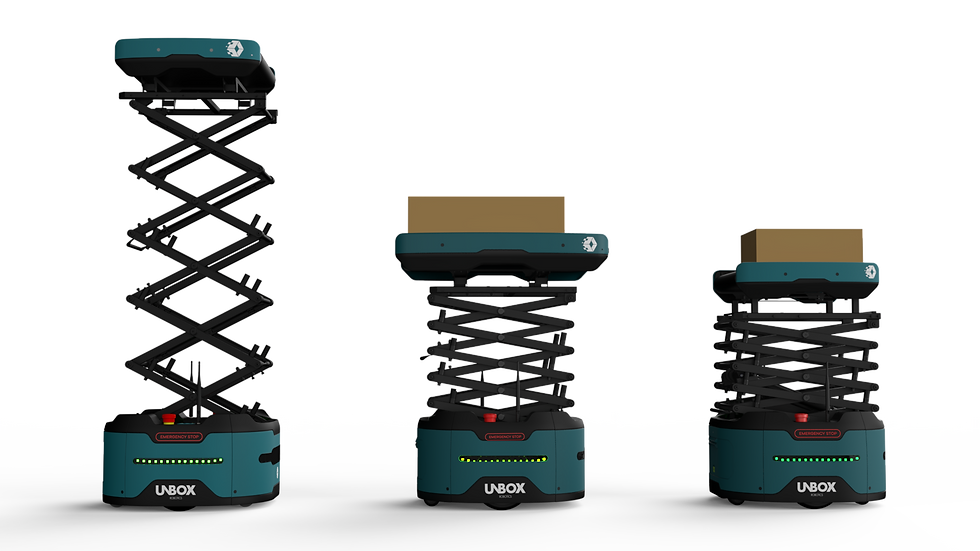
At another facility, daily order preparation doubled from 57,000 to 114,000 orders while processing up to 200,000 items per day. These are operational results from live deployments — not aspirational benchmarks.
The common thread across every high-performing automated sorting operation is integration depth. Systems that push data to the WMS in real time, that feed sortation logic from live inventory signals, and that generate reporting accessible to operations managers and finance teams perform significantly better than installations where the automation operates as an island.
Emerdis designs every conveyor and sorting deployment with that integration depth as a first principle. The throughput numbers are what your operations team cares about. The data — accurate, reportable, exportable — is what your finance and commercial teams need to see.
FAQ: Parcel Sorting Automation ROI
What is the cost per parcel for automated vs manual sorting?
Manual sorting costs £0.18–£0.24 per parcel when fully loaded with all direct and indirect costs. Automated sorting systems bring that to approximately £0.08 per parcel at moderate volumes, and lower at high volume — a saving of 50–65% per parcel processed.
How quickly does parcel sorting automation pay back?
Payback periods vary by operation size and volume, but typically range from 8–24 months. Operations above 5,000 parcels per day often see payback within 12 months. Rental or pay-per-parcel models can reduce the payback calculation entirely by eliminating upfront capital cost.
Will automation reduce my headcount?
Not necessarily — and in most cases, the stronger argument is redeployment rather than reduction. Automated sorting frees operators from repetitive, error-prone tasks and reallocates them to quality control, exception handling, and value-added operations.
What volume of parcels per day makes automation worthwhile?
The break-even point for most automated sorting models is around 1,000–1,500 parcels per day. Above that threshold, the cost-per-parcel economics consistently favour automation. Below it, hybrid approaches or modular systems are worth exploring.
How accurate is automated parcel sorting compared to manual?
Automated sorting systems consistently achieve 99.9% accuracy versus 94–96% for manual operations — a difference that directly reduces returns, rework, and SLA penalties across every shift.
Is parcel sorting automation suitable for 3PL operations?
Yes — 3PL operations are among the strongest candidates for automated sorting. The combination of high parcel volumes, multi-client SLA obligations, and the need to win new contracts on the basis of throughput and accuracy makes automation ROI particularly compelling.
Book a consultation to model your operation's potential savings — speak to Emerdis Automation Experts today.
The content on this website is for general informational purposes only and does not constitute formal engineering, financial, or professional advice. Figures, case studies, and metrics are illustrative estimates based on specific projects; actual results will vary depending on your unique infrastructure and operational variables. Emerdis accepts no liability for any loss or damage arising from reliance on this information. For advice tailored to your specific facility, please contact sales@emerdis.com for a formal assessment.


