10 Warehouse Wins with Autonomous Mobile Robots

Quick Answer: Autonomous mobile robots (AMRs) replace fixed conveyor infrastructure with a distributed fleet of mobile robots that sort, route, and fulfil parcels independently — cutting sorting floor footprints by 50–70% and deploying in under two weeks. For mid-market 3PLs and e-commerce fulfilment operations, swarm AMR systems eliminate single points of failure and deliver up to 3x throughput gains over legacy steel conveyors.
Traditional warehouse sortation is built on structural rigidity. For decades, the industry standard has relied on fixed, sprawling conveyor matrices that take months to bolt down and require massive capital investment. But as e-commerce delivery windows tighten, regional hubs and independent brands are discovering that rigid steel grids cannot keep pace with shifting order profiles.
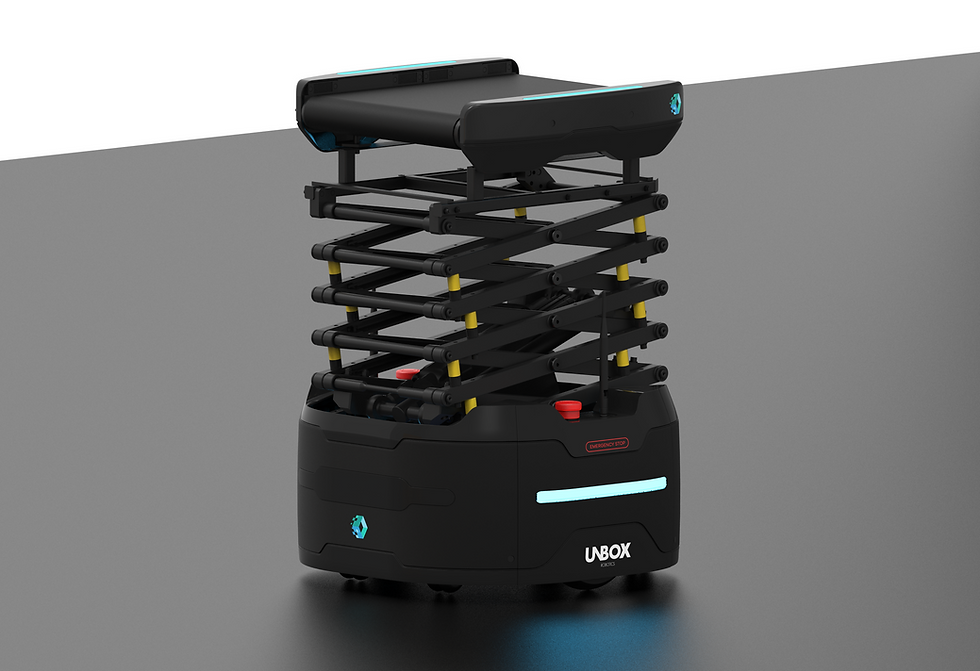
Drawing on operational deployments pioneered by innovators like Unbox Robotics, forward-thinking logistics operations are now adopting autonomous mobile robots to inject speed, flexibility, and hard cost savings directly onto their fulfilment floors.
Why Autonomous Mobile Robots Outperform Fixed Steel Conveyors
The fundamental flaw of traditional sortation is its dependence on a single, fixed pathway. If one electric motor fails or a heavy carton jams a central belt line, your entire facility grinds to a halt.
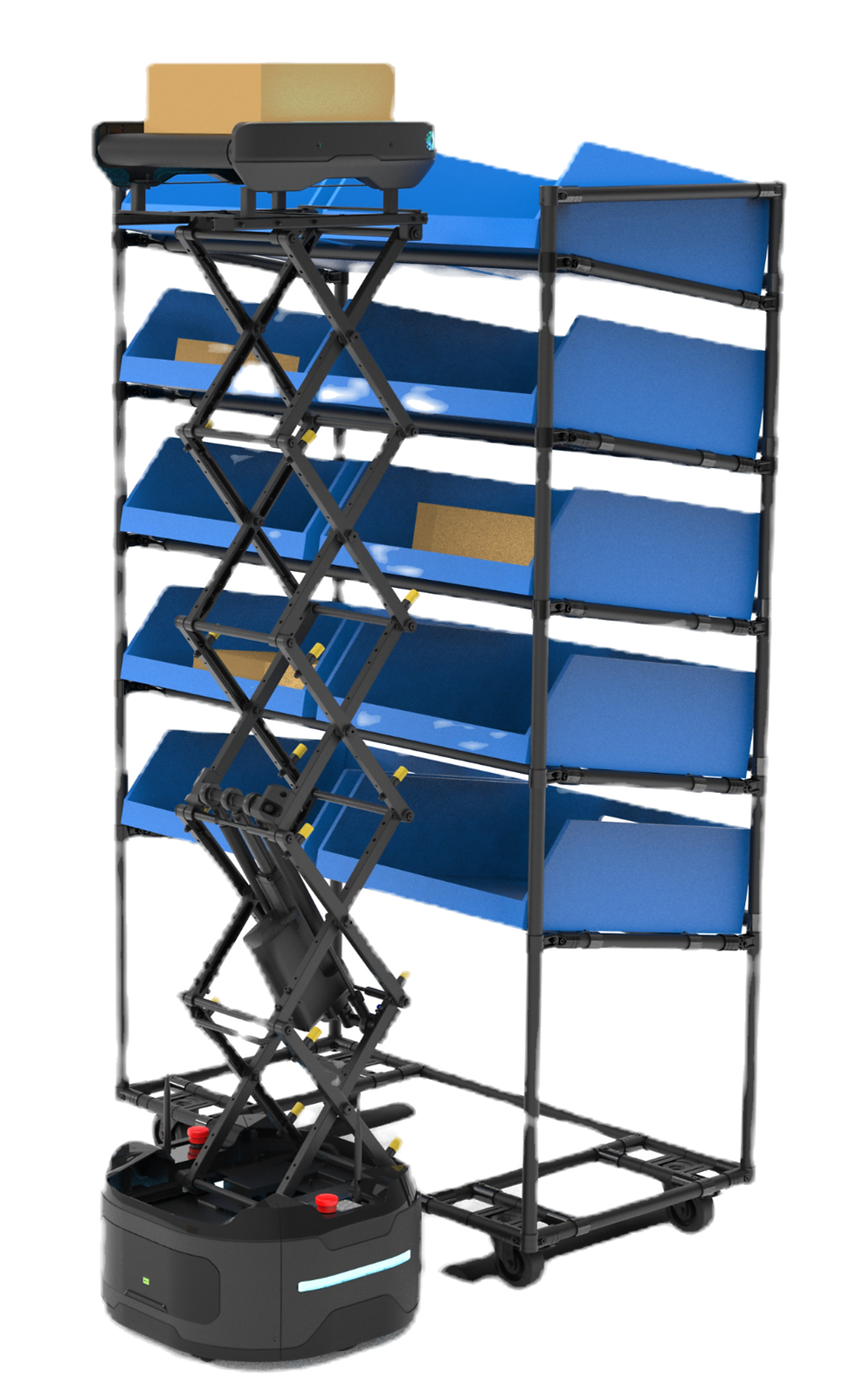
Swarm AMR systems remove this vulnerability entirely. Instead of moving packages along an unyielding steel track, a coordinated fleet of mobile robots independently carries, tracks, and sorts individual parcels simultaneously — across an open floor or an elevated vertical rack system.
Sortation Type | Single Point of Failure? | Response to Breakdown |
Traditional fixed conveyor | ✅ | Entire facility halts |
Autonomous mobile robots (AMR swarm) | ❌ | Fleet reroutes automatically — zero downtime |
This decentralised architecture shifts operational focus from rigid infrastructure to dynamic throughput. By utilising vertical sortation principles, AMR fleets turn unused overhead space into highly productive sorting fields — allowing growing mid-market fulfilment operations to match the dispatch speeds of global logistics giants without carrying unrecoverable capital debt.
One jammed conveyor belt halts your entire facility.
A distributed swarm fleet reroutes around a single robot failure automatically.
What Are Autonomous Mobile Robots in a Warehouse Context?
Autonomous mobile robots are self-navigating, independently powered units that move parcels, totes, or SKUs across a warehouse floor without fixed tracks or permanent infrastructure.
In sortation applications, swarm AMRs operate as a coordinated fleet: each mobile robot receives a task from the Warehouse Control System (WCS), retrieves or carries a parcel, and delivers it to the correct destination chute — simultaneously with every other robot in the fleet.
This parallel processing model is what separates AMR sortation from traditional conveyor logic, where packages move sequentially along a fixed path.
Calculating the True ROI of Autonomous Mobile Robots
Investing in automated hardware requires clear, finance-ready data. AMR sortation deployments deliver measurable operational advantages that impact cost-per-parcel economics from day one.
Here are the ten primary operational wins:
2x Increase in Space Density
By sorting packages vertically into multi-level smart racks, swarm AMR configurations cut sorting floor footprint by 50–70% — delaying or eliminating the need to relocate to a larger, more expensive facility.
3x Faster Installation Time
Unlike traditional cross-belt sorters that require months of structural drilling and facility disruption, an AMR fleet can be mapped, programmed, and fully deployed in weeks, not months.
Total Fault Tolerance - No Single Point of Failure
Tasks are distributed across the fleet. If an individual mobile robot requires maintenance, it exits the field autonomously while the remaining units dynamically redistribute the workload — without dropping line speed.
99.9% Sorting Accuracy
Every AMR communicates directly with your WCS, matching parcel barcodes to destination chutes with near-perfect precision. Mis-sorts that erode retail partnerships and damage SLA performance are effectively eliminated.
3x Boost in Personnel Productivity
Automating internal parcel movement removes the exhausting walking paths that consume up to 60% of a manual picker's shift. Your existing staff process significantly higher volumes without additional headcount.ld autonomously while the remaining units dynamically redistribute the workload — without dropping line speed.
Potential 50%+ Reduction in Operating Costs
Swarm AMR fleets require far less preventative maintenance and lower utility draw than hundreds of metres of continuous, energy-intensive conveyor belt. Case studies have shown 42% five-year OPEX reduction and energy cost savings of up to 50% compared to continuous conveyor systems.
Flexible Scaling via Robotics-as-a-Service (RaaS)
AMR fleets can be scaled up during peak periods and back down when volumes normalise — matching operational costs directly to real-time revenue, not fixed infrastructure commitments.
Instant Adaptation to New Routes and Carriers
Adding a new carrier or opening a regional delivery route requires no conveyor re-engineering. By updating WCS software map new destination bins are live immediately.
Significantly Lower Initial CapEx
Bypassing permanent steel structures allows mid-tier 3PLs and growing e-commerce brands to automate at a fraction of the cost demanded by traditional enterprise sortation vendors.
Low-Impact Brownfield Integration
Autonomous mobile robots operate on standard flat surfaces with no complex floor modifications. They are highly compatible with existing warehouse layout — no structural overhaul required.
Ready to Replace Fixed Infrastructure With a Smarter AMR Fleet?

Stop letting legacy conveyors cap your throughput. Speak with the Emerdis team today and find out how autonomous mobile robots can scale your sortation capacity — without the capital risk.
Frequently Asked Questions: AMR Robots
What are autonomous mobile robots (AMRs) in warehouse operations?
Autonomous mobile robots are self-navigating units that sort, carry, and route parcels across a warehouse floor without fixed tracks or permanent conveyor infrastructure. In swarm configurations, a coordinated AMR fleet processes parcels in parallel, eliminating the sequential bottlenecks of traditional belt-line sortation.
How do autonomous mobile robots save warehouse floor space?
Rather than spreading destination chutes horizontally across a large floor area, swarm AMRs sort packages vertically into multi-level smart racks — reducing the required physical footprint by 50–70%.
What happens if a mobile robot breaks down mid-shift?
The affected AMR exits the grid autonomously and the remaining fleet automatically redistributes outstanding tasks. There is no single point of failure, and operational throughput is maintained without manual intervention.
How quickly can an AMR sortation system be installed?
Because swarm AMR systems are modular and require no permanent structural installation, a complete fleet can be fully operational in a few weeks — compared to months for traditional cross-belt conveyor systems.
Are autonomous mobile robots suitable for mid-market 3PLs?
Yes. The RaaS (Robotics-as-a-Service) model and lower CapEx entry point make swarm AMR deployments commercially viable for mid-tier 3PLs and growing e-commerce brands that cannot absorb the cost or disruption of enterprise-grade fixed infrastructure.
The content on this website is for general informational purposes only and does not constitute formal engineering, financial, or professional advice. Figures, case studies, and metrics are illustrative estimates based on specific projects; actual results will vary depending on your unique infrastructure and operational variables. Emerdis accepts no liability for any loss or damage arising from reliance on this information. For advice tailored to your specific facility, please contact sales@emerdis.com for a formal assessment.