How Inbound Logistics Automation Reduces Inventory Errors From Day One

Quick Answer:
Inbound logistics automation — DWS scanning, barcode verification, and camera-based inspection — captures accurate dimension, weight, and SKU data the moment a parcel crosses the dock, eliminating the manual data entry gaps that generate most inventory discrepancies. Connected to your WMS via real-time API integration, this closes the error cascade at its source: no inbound error means no downstream mis-pick, no dispatch mistake, and no misattributed return.
Most warehouse inventory problems don't start at picking. They don't start at dispatch. They don't start with a mis-sort or a labelling failure. They start at inbound.
The moment a parcel crosses your dock without complete, verified, machine-readable data attached to it, you have introduced uncertainty into your inventory. And unlike a picking error — which is visible, countable, and attributable — an inbound data gap is invisible until it surfaces downstream as a mis-pick, a customer complaint, a stock discrepancy, or a failed audit.
Inbound logistics automation is the intervention that closes that gap before it exists.
Why Inbound Is Where Inventory Accuracy Is Won or Lost
Inbound receipt is the first point at which your operation takes ownership of a parcel. It's where the WMS record should align precisely with physical reality: this SKU, this quantity, this weight, this condition, received at this time, at this location.

In manual inbound processes, the gap between what arrives and what the WMS records is created in several ways:
When inventory data is delayed or disconnected, mistakes compound fast: mis-picks increase, shrink becomes harder to spot, labour gets wasted, and customer promises get missed.
That compounding is the key insight.
An inbound error at 9am on Monday doesn't just affect the parcel involved — it distorts every downstream process that touches that SKU: the replenishment trigger, the pick assignment, the dispatch confirmation, and potentially the return processing if the error reaches the customer.
An inbound data gap is invisible until it surfaces downstream as a mis-pick, a stock discrepancy, or a failed audit. Automated inbound scanning closes that gap before it exists.
The Cascade Effect: How One Inbound Error Affects Picking, Dispatch, and Returns
Walk through the cascade from a single inbound data failure:
Every stock movement — inbound, outbound, and internal transfers — should be scanned and recorded in real time. Mistake-proofing methods like barcode scanning validation and automated alerts make it easier to identify stock location errors at a glance.
Automated inbound scanning eliminates step one from this cascade. When every parcel receives a verified scan at inbound — dimensions captured, weight recorded, barcode confirmed — the WMS record is accurate from the moment of receipt. The cascade has no starting point.
One inbound scan failure becomes a stockout, a mis-pick, a wrong shipment, and a misattributed return — three operations removed from
where it started. Automated DWS scanning removes step one from the cascade.
How Inbound Logistics Automation Captures Accurate SKU Data Automatically
A dimensioning weighing scanning system at inbound captures three critical data points simultaneously: the parcel's physical dimensions, it's actual weight, and it's barcode or label data. This happens in a single automated pass — no manual entry, no operator interpretation, no second step.
A well-engineered DWS system can automatically capture product dimensions, weight, and barcode data with exceptional precision. This not only ensures reliable data entry but also significantly reduces manual errors, saving both time and operational costs.

For operations handling mixed inbound profiles — supplier deliveries, carrier drops, customer returns — the DWS system processes each parcel consistently regardless of size, label format, or condition. Camera-based barcode reading handles degraded labels that handheld scanners miss. Automatic weight capture eliminates manual scale readings.
360-degree visual intelligence now enables 99.9% order accuracy and automates the documentation of inbound damage, creating a frictionless, no-touch flow from the trailer to the rack.
Beyond barcode and dimensional data, some inbound automation platforms now include condition verification — camera systems that flag visible damage at receipt, creating an auditable record before the parcel enters the warehouse. This is particularly valuable for returns processing, where condition verification at inbound is the only reliable way to assess refurbishment or disposal decisions.
Integrating Inbound Automation With Your WMS for Real-Time Inventory Visibility
The data captured at inbound is only as valuable as what happens to it next. A DWS system that logs to a local database and requires a batch upload to the WMS is better than manual entry — but it's not real-time visibility.
The architecture that delivers genuine inventory accuracy connects inbound automation directly to the WMS via live API integration. Every scan triggers a real-time WMS update. Inventory records reflect physical reality continuously, not at the end of a shift or a batch cycle.
Linking the WMS and TMS will allow you to optimise costs, facilitate the work of operators, and monitor product quality, while optimising space and storage.
For operations with multiple inbound channels — same-day carrier drops, scheduled supplier deliveries, returns from fulfilment partners — live integration means that stock is available for pick assignment within seconds of being received, not hours. In same-day and next-day fulfilment environments, that gap between receipt and availability is the difference between meeting your cut-off and missing it.

The Emerdis inbound automation approach prioritises this integration depth. DWS workstation and associated inbound scanning infrastructure are connected to your WMS through documented, supported APIs — not a bespoke workaround that breaks with every software update.
A batch upload to your WMS isn't real-time visibility. Live API integration means stock is available for pick assignment within seconds of being received — not hours.
Steps to Audit Your Current Inbound Process and Identify Automation Entry Points
You don't need to automate everything at once. You need to identify where your inbound process loses data quality — and start there.
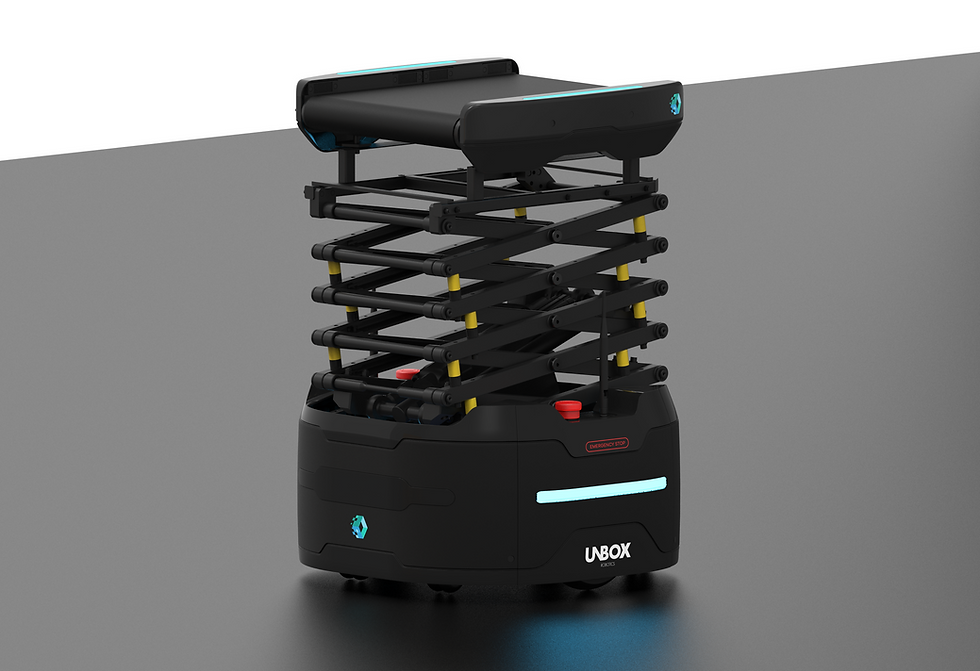
Key technologies to consider include Autonomous Mobile Robots, which can autonomously scan and validate stock, ensuring discrepancies are caught before they impact order fulfilment. AI-powered vision systems with robots detect misplaced stock and flag errors instantly.
Frequently Asked Questions
Why does inbound matter more than other warehouse touchpoints for inventory accuracy?
Inbound is where inventory data is first established. Errors at this stage don't stay inbound — they propagate through every downstream process that touches the affected SKU. Fixing the data at the source eliminates the cascade of downstream errors.
What does automated inbound scanning actually capture?
A DWS system at inbound captures physical dimensions (length, width, height), actual weight, and barcode/label data in a single automated pass. Some systems also capture photographic evidence of parcel condition, which is valuable for damage claims and returns verification.
How does inbound automation integrate with my WMS?
Integration is via API — the inbound scanning system sends verified data to the WMS in real time, triggering inventory updates without manual intervention or batch processing. Most major WMS platforms support this integration; your vendor should provide documented connectors.
Can inbound automation handle damaged or degraded labels?
Yes. Camera-based barcode readers in DWS systems handle label quality levels that handheld scanners routinely fail on — including wrinkled, partially obscured, or low-contrast labels. Exception handling workflows cover cases where automated reading can't achieve a confident match.
How long does it take to see the impact of inbound automation?
For inventory accuracy, the impact is immediate — from the first shift running automated inbound scanning, your WMS records are more accurate than they were with manual processes. The downstream benefits (reduced pick errors, faster SLA compliance, lower returns processing cost) accumulate over the following weeks as clean inbound data works its way through the system.
The content on this website is for general informational purposes only and does not constitute formal engineering, financial, or professional advice. Figures, case studies, and metrics are illustrative estimates based on specific projects; actual results will vary depending on your unique infrastructure and operational variables. Emerdis accepts no liability for any loss or damage arising from reliance on this information. For advice tailored to your specific facility, please contact sales@emerdis.com for a formal assessment.


